

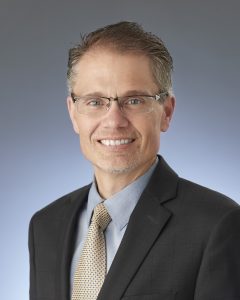
Jeff Conrad, President and CEO of Wabash Valley Power
When I first joined Wabash Valley Power Alliance about 30 years ago, I not only had more hair, but the issues we were dealing with were much different. Most conversations were about keeping costs down and keeping the lights on. Those priorities haven’t changed, but the conversations certainly have. Today, discussions include topics that seemed unlikely just a few years ago. Artificial intelligence. Data centers. Advanced manufacturing. Battery storage. Economic development projects with power requirements larger than entire communities. The demand for electricity is growing, and so is the complexity of the decisions surrounding it. This isn’t the first time our industry has faced a period of significant change.
Ninety years ago, communities across rural America faced a different challenge. Electricity was transforming the country, but many rural areas were being left behind. The Rural Electrification Act of 1936 accelerated an effort to bring power to homes, farms, schools, and businesses that investor-owned utilities would not serve. What followed wasn’t built by a corporation chasing profit. It was built by neighbors coming together to solve a problem no one else would solve. Local ownership, local governance, long-term thinking, and a focus on service over shareholder returns, those are the principles that shaped the co-op movement. They’ve never been more relevant than they are now.
Today, we are dealing with how to meet growing demand, maintain reliability, integrate new technologies, and protect affordability in an increasingly complex energy landscape. Those decisions rarely have simple answers. Communities want growth. Businesses need power. Families expect reliability. Everyone wants affordable electricity. And, increasingly, electric utilities are being asked to balance all of those priorities at once.
That’s where the co-op model proves its value. I always talk about our differentiator, and this is where YOU come in. Co-ops are owned by and governed by the people they serve. That means the people paying the bills make the decisions on how we innovate, activate AND care. This model allows us to ask questions that go beyond whether something can be done and focus on whether it should, how it could be done, how risks are managed, and whether the benefits create long-term value for our member communities.
The technologies are different than they were in 1936. The challenges are different. The pace of change is certainly different. But the need for organizations grounded in their communities, and accountable to them, has never been greater.